
Bat Exclusion 101: What Homeowners Need to Know in Ottawa-Gatineau
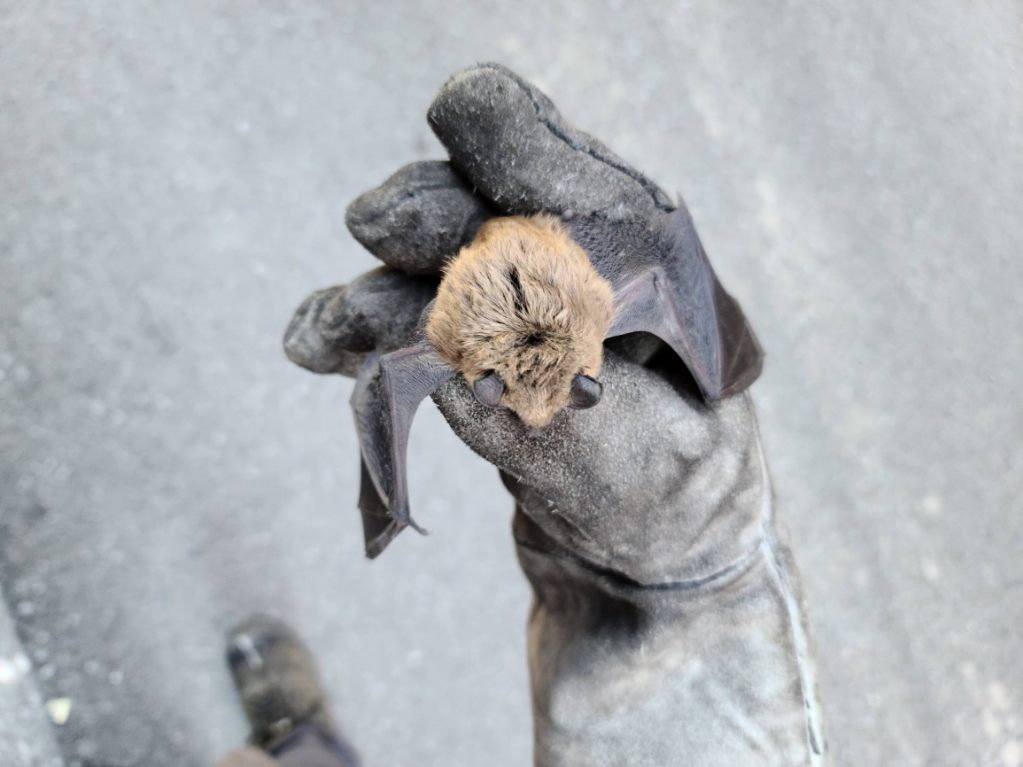
Strange scratching sounds at dusk. A musty smell drifting down from the attic. Maybe you’ve spotted a bat or two circling your roofline at twilight. These are the first signs that bats may have moved into your home—and once they settle in, they rarely leave on their own.
Bat exclusion is the humane, legal method for removing bats from residential properties across Ottawa-Gatineau. This guide covers how to identify a bat infestation, why timing matters, what the exclusion process involves, and when to call in professional help.
What is bat exclusion
Bat exclusion is a humane removal method that lets bats leave your home on their own while blocking them from getting back inside. The process uses one-way devices—tubes, cones, or netting—placed over entry points. Bats push through to exit at dusk, but the device prevents them from navigating back in. Unlike extermination, exclusion doesn’t harm the animals. It simply redirects them to find a new roost elsewhere.
This approach has become the standard for bat removal across Canada for a few reasons. First, it works. Second, it’s legal. And third, bats actually provide real benefits outdoors—a single bat can eat up to 600 insects per hour. The goal isn’t to eliminate bats from your neighbourhood; it’s to move them out of your attic and keep them out.
For homeowners in Ottawa-Gatineau, exclusion typically involves four steps: a thorough inspection, installation of one-way devices, permanent sealing of all entry points, and follow-up monitoring. We’ll walk through each of those later. But first, let’s talk about how to tell if you have bats in the first place.
Signs you have bats in your home
Catching a bat problem early makes the whole process simpler. Here’s what to look and listen for.
Scratching or squeaking noises at night
Bats are nocturnal. They wake at dusk, leave to hunt, and return around dawn. If you’re hearing scratching, squeaking, or rustling sounds from your attic or walls during those hours, there’s a good chance bats are roosting inside. The sounds are often subtle—more of a soft shuffling than the heavy thumping you’d hear from raccoons or squirrels.
Bat droppings and urine stains
Bat guano looks like small, dark pellets, similar to mouse droppings but often found in piles directly beneath roosting spots. Over time, urine stains may appear on walls or ceilings near entry points. The smell is distinctive too—musty and ammonia-like, especially in warm weather when the attic heats up.
Grease marks near entry points
Bats have oily fur. When they squeeze through the same gap night after night, they leave dark, greasy smudges around the opening. If you notice brownish-black marks around your roofline, soffits, or vents, that’s often a sign of regular bat traffic.
Bats flying around your property at dusk
Seeing one or two bats flying through your yard at twilight is normal—they’re everywhere in Ottawa-Gatineau during summer. But if you consistently see bats emerging from your roofline or circling back to the same spot on your house, they’re likely roosting inside rather than just passing through.
Why bats enter homes
Bats look for roosting spots that feel like natural caves: warm, dark, quiet, and protected from predators. Your attic checks every box. So do wall voids, soffits, and the gaps behind fascia boards.
Maternity colonies are especially drawn to residential attics. Female bats give birth in late spring and nurse their pups through summer. During this period, they seek out spaces with stable temperatures—and a well-insulated attic stays warmer and more consistent than a hollow tree or rock crevice.
The entry points bats use are often surprisingly small. Some species can squeeze through a gap as narrow as 1 cm. Older homes in the Ottawa-Gatineau region tend to have more of these openings, particularly where rooflines meet soffits or where vents have deteriorated over time.
Health risks of bat infestations
Bats provide valuable pest control outdoors, but having them inside your home creates real health concerns.
Rabies transmission
Bats can carry rabies. Any direct contact with a bat—including scratches—warrants a call to public health and possibly medical evaluation. Bat bites are small and sometimes go unnoticed, which is why health authorities recommend testing whenever there’s potential exposure. The rule is simple: never handle a bat with bare hands.
Histoplasmosis from bat guano
Histoplasmosis is a respiratory illness caused by a fungus called Histoplasma capsulatum. The fungal spores grow in accumulated bat droppings and become airborne when the guano is disturbed—during cleanup, renovation, or even just walking through a contaminated attic. Symptoms range from mild flu-like illness to serious lung infection. The CDC recommends professional cleanup of large guano accumulations to reduce this risk significantly.
Bat bugs and parasites
Bat bugs are close relatives of bed bugs. They live in bat roosts and feed on bat blood. When bats are excluded from a home, bat bugs sometimes migrate into living spaces looking for a new host. Addressing a bat infestation promptly—before the colony grows large—helps prevent secondary pest problems.
Are bats protected in Canada
Yes. Several bat species in Canada have protected status under federal and provincial wildlife legislation. In Ontario and Quebec, killing or harming bats can result in fines.
Two species common to the Ottawa-Gatineau region—the little brown bat and the northern long-eared bat—are listed as endangered under SARA. Their populations have declined over 90% due to white-nose syndrome, a fungal disease that has swept through North American bat colonies over the past two decades.
Even species without formal endangered status benefit from general wildlife protection rules. This legal framework is one reason exclusion, rather than extermination, has become the standard approach. Working with a professional ensures your bat removal complies with all applicable regulations.
Best time to exclude bats
Timing is critical. Exclude bats at the wrong time of year, and you risk trapping flightless pups inside your home—which creates a bigger problem and may violate wildlife protection laws.
Maternity season restrictions
From late May through mid-August, female bats give birth and nurse their young. During this maternity season, pups cannot fly. They depend entirely on their mothers for food and warmth. If you install exclusion devices during this window, the mothers leave to hunt and can’t get back in. The pups, unable to follow, die inside your walls or attic.
Beyond the animal welfare issue, dead bats create odour problems and attract other pests. Exclusion during maternity season is prohibited or strongly discouraged across most of Canada.
Recommended months for bat exclusion
The ideal windows for bat exclusion in Ottawa-Gatineau are:
- Early spring (April to mid-May): Before pups are born, when the colony is smaller and more mobile
- Late summer through fall (mid-August to October): After young bats can fly independently and before the colony enters hibernation
A professional assessment can determine the right timing for your specific situation, especially if you’re unsure whether pups are present.
How bat exclusion works
Professional bat exclusion follows a systematic process. Each step builds on the last, and skipping any of them usually leads to failure.
1. Inspection and assessment
A technician examines your home inside and out. The goals are to identify the bat species, locate all entry points, estimate colony size, and check for contamination. This step is critical—missing even one entry point can cause the entire exclusion to fail. Bats are persistent, and if they find an unsealed gap, they’ll use it.
2. Installing one-way exclusion devices
One-way devices get placed over the primary entry points. The design varies—some are tubes, others are cones or mesh netting—but the principle is the same. Bats can push through to exit but can’t figure out how to get back in. The devices stay in place for several days, sometimes a week or more, to ensure every bat has left.
3. Sealing entry points
Once the colony has departed, technicians permanently seal all gaps. The materials depend on the location: caulk for small cracks, hardware cloth for vents, expanding foam for irregular gaps, metal flashing for areas prone to gnawing. Proper sealing prevents not only bats but also other wildlife from moving in.
4. Follow-up monitoring
A return visit confirms that all bats have exited and no new entry points have developed. This monitoring period is essential. Sometimes bats find a gap that was missed during the initial inspection, or they exploit a new vulnerability. Follow-up catches these issues before they become full-blown re-infestations.
Common entry points for bats
Knowing where bats typically enter helps you understand what a thorough inspection involves.
Roof and soffit gaps
The junction where your roof meets the soffit is a prime entry point. Even small separations—often invisible from the ground—provide enough space for bats to squeeze through.
Chimneys and vents
Uncapped chimneys and unscreened attic vents offer direct access to interior spaces. Proper screening prevents entry while maintaining necessary ventilation.
Damaged or missing screens
Torn gable vent screens or damaged attic fan covers are open invitations. Regular maintenance catches these vulnerabilities before bats do.
Gaps around windows and doors
Deteriorated caulking and worn weatherstripping create openings, particularly in older homes. These gaps are easy to overlook but large enough for bats.
Loose siding and fascia
Warped or damaged exterior materials leave gaps along your home’s envelope. Bats can slip behind loose siding and find their way into wall cavities, sometimes roosting in spaces you’d never think to check.
How to get rid of a bat in your house
Finding a single bat in your living space is different from discovering a colony in your attic. Here’s how to handle the immediate situation safely.
1. Isolate the bat in one room
Close interior doors to confine the bat to a single space. This prevents it from flying through your home and makes removal much easier.
2. Open windows and exterior doors
Give the bat a clear exit path. Open any windows or doors leading outside while keeping interior doors closed.
3. Wait for the bat to leave
Turn off the lights, stay quiet, and give the bat time to find its way out. Most bats will leave on their own within 10 to 15 minutes if they have an unobstructed route to the outdoors.
4. Capture and release if necessary
If the bat won’t leave, you can use a container and a piece of cardboard to gently trap and release it. Approach slowly, place the container over the bat, slide the cardboard underneath, and carry it outside. Wear thick leather gloves—never handle a bat with bare hands. If anyone has had direct contact with the bat, contact public health authorities for guidance.
DIY bat exclusion vs professional bat removal
Some homeowners consider handling bat exclusion themselves. While it’s technically possible, the risks often outweigh the savings.
| Factor | DIY Approach | Professional Exclusion |
| Equipment | Basic materials from hardware store | Specialized devices and safety gear |
| Timing knowledge | Risk of excluding during maternity season | Expert assessment ensures legal compliance |
| Entry point identification | May miss hidden gaps | Thorough inspection finds all access points |
| Legal compliance | Uncertain | Follows provincial wildlife regulations |
| Follow-up | Homeowner responsibility | Monitoring included in service |
| Contamination handling | Health risk without proper PPE | Safe removal of guano and affected insulation |
DIY attempts frequently fail because homeowners miss secondary entry points. Bats are creatures of habit—they’ll return to the same roost year after year if they can find a way in. Missing one gap means starting over. And attempting exclusion during maternity season, even unintentionally, can result in dead pups, odour problems, and potential legal issues.
Professional bat exclusion in Ottawa and Gatineau
For homeowners across the National Capital Region, professional bat exclusion offers lasting results without the guesswork. Aspen Wildlife Control brings over 25 years of experience to every inspection, using humane methods that comply with Ontario and Quebec wildlife regulations.
Our service includes thorough assessment, proper exclusion timing, complete sealing of entry points, and follow-up monitoring. When contamination is present, we also offer attic restoration and insulation removal to address health hazards and restore your home’s comfort and energy efficiency.
If you suspect bats in your home, don’t wait for the colony to grow. Request a Quote from Aspen Wildlife Control to protect your home and family throughout Ottawa-Gatineau.