
Wildlife Removal Ottawa: Which Animals Are in Your Home?
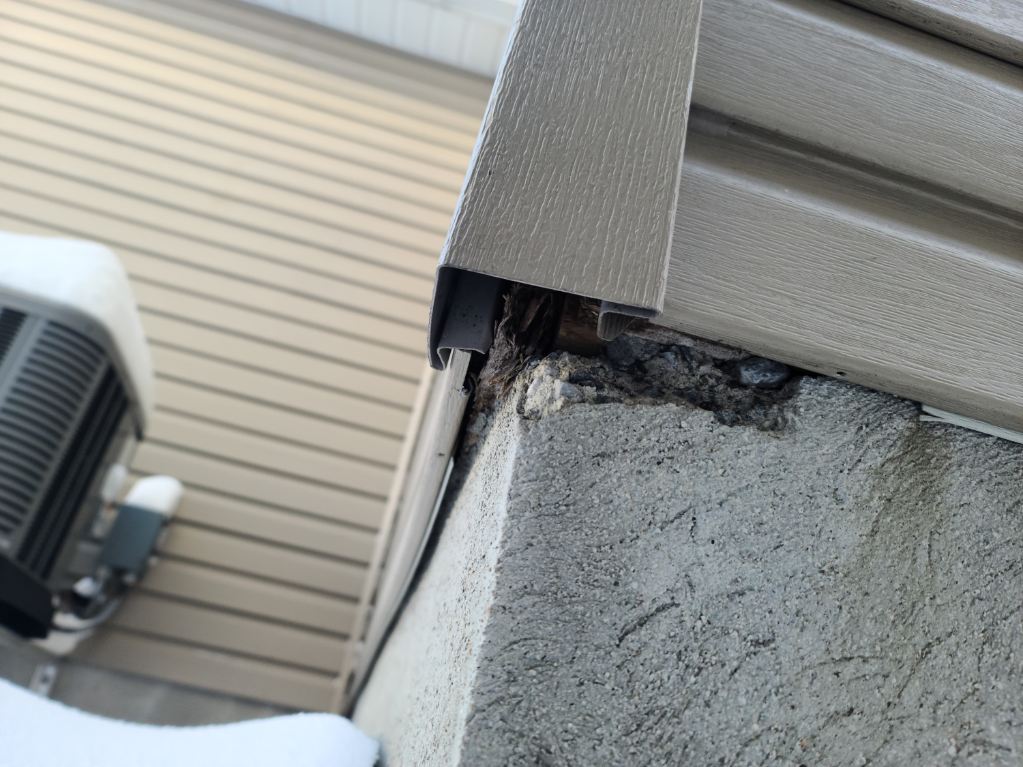
Wildlife removal in Ottawa often appears easier than it really is. Stopping the noise or blocking a visible opening can seem sufficient at first. In reality, without clearly identifying the species involved, the intervention remains superficial. Each animal exploits a structure differently and leaves behind specific vulnerabilities. A targeted approach from the start helps prevent heavier repairs months later.
Raccoons, squirrels, and skunks in residential spaces
Raccoons are among the most common wildlife removal cases in Ottawa. They target attics and roofs, often tearing shingles and enlarging weak spots. Their size causes insulation damage quickly.
Squirrels create lighter but constant activity. Scratching sounds at dawn usually point to roofline entry. They chew wood and vent frames to maintain access.
Skunks usually remain below decks or sheds. When they dig under foundations, odor becomes the main concern. Wildlife removal in Ottawa must address den sites to prevent repeat visits.
Bats and birds in attics and vents
Bats often enter through small roof gaps or soffit edges. Quiet daytime behavior and evening flight patterns help identify them. Their presence raises health and cleanup concerns.
Birds typically access bathroom vents or chimney openings. Nesting materials block airflow and increase fire risk. Removing birds without sealing vents invites immediate re-entry.
Aspen Wildlife Control regularly handles bird and bat removal across Ottawa using controlled exclusion methods suited to each species.
Mice, rats, and field mice indoors
Rodents require fast attention. Mice enter through openings smaller than a coin. Droppings, gnaw marks, and wall sounds signal activity.
Field mice often appear near garages or basements during colder months. Wildlife removal in Ottawa must include sealing foundations and exterior gaps to stop ongoing access.
Aspen Wildlife Control treats rodent cases by combining removal with full structural sealing, reducing recurrence.
Groundhogs, wasps, and bees around structures
Groundhogs dig beneath porches, sheds, and foundations. Their tunnels weaken the soil and concrete support. Early wildlife removal limits structural impact.
Wasps and bees build nests inside walls, soffits, or roof voids. Removal depends on species identification and seasonal timing. Nest removal without precautions increases risk.
Correct identification matters
Each animal requires a specific approach. Traps, exits, and repairs vary by species. Treating every case the same leads to failure. Aspen Wildlife Control applies species-based methods for wildlife removal in Ottawa, aligning solutions with behavior and building design.
When contacting a wildlife removal company
DIY attempts often address the symptom, not the cause. Missed entry points, seasonal risks, and structural damage increase costs later. For wildlife removal in Ottawa that accounts for animals, access points, and prevention, contacting Aspen Wildlife Control provides clarity and durable results.
FAQ’s
Which animal causes the most attic damage in Ottawa?
Raccoons cause the most damage due to size and strength. They tear insulation and roofing materials.
Is wildlife removal seasonal in Ottawa?
Yes. Activity increases during fall and spring as animals seek shelter or nest sites.
Can wildlife return after removal?
Yes, if entry points remain open. Sealing is essential after wildlife removal.
Are all wildlife removals handled the same way?
No. Each species requires a different removal and exclusion strategy.
Wildlife removal: when should homeowners act?
At the first sign of noise or damage. Delays often increase repair scope.