
How to prevent bats from entering a house?
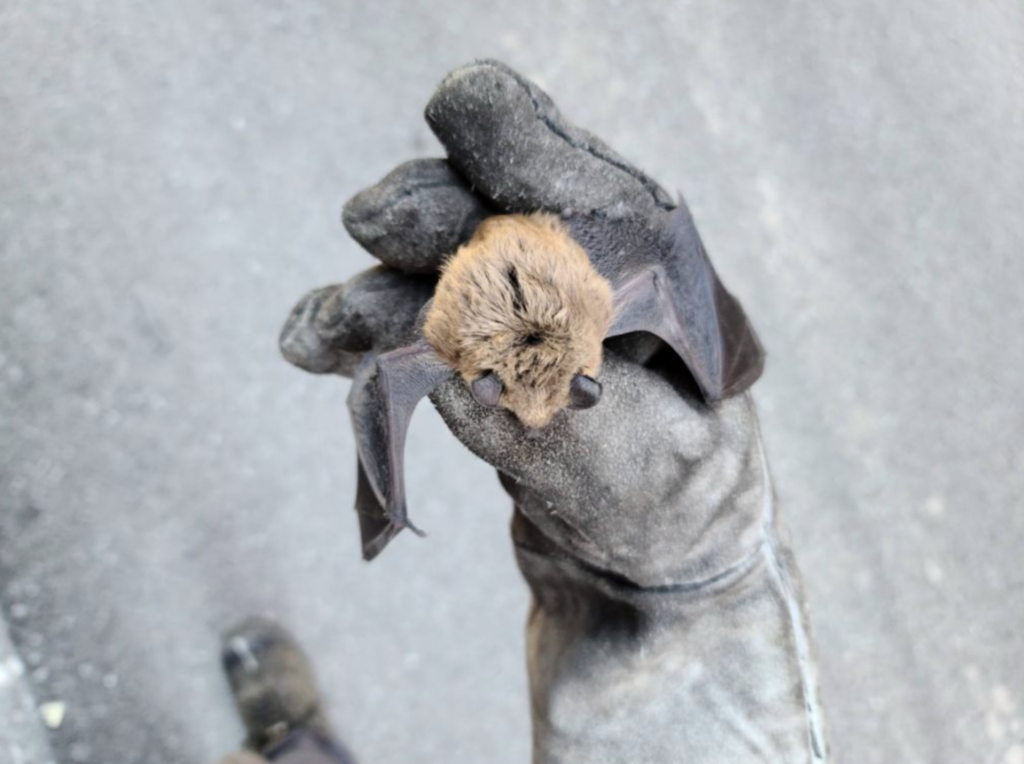
Bat removal becomes necessary when these animals find access to an attic or roof cavity. A small opening in soffits, vents, or roof junctions may be enough for them to enter a house. Once the access point is used, bats may return regularly and use the structure as a shelter.
Preventing bats from entering a house, therefore, involves locating these access points, removing the animals present, and securing the roof to prevent their return.
Inspect the house to identify entry points
Bats do not dig through materials to enter a building. Instead, they use cracks or gaps that already exist in the structure. An opening of 1.5 to 2 cm may be enough for them to enter an attic.
In homes across Ottawa, the most common access points are located:
- in ventilated soffits
- around the roof vents
- at the junctions between the roof and siding
- near chimneys
- under certain shingles
An inspection carried out at dusk can help identify the entry point. Bats leave their shelter at nightfall to hunt insects and usually use the same opening to exit.
Seal cracks in soffits and roof junctions
Once the openings are identified, the next step is to secure these areas. Cracks in soffits, roof joints, or siding materials must be repaired to prevent access to the attic.
Soffits often represent a critical area. They allow attic ventilation, but they can also become an entry point when certain sections crack or detach.
Repairs may include replacing a damaged panel or adding a metal mesh behind the opening. This solution maintains ventilation while preventing animals from entering.
Roof junctions must also be inspected. When two surfaces meet, small cracks can appear over time. Sealing these areas helps reduce the risk of intrusion.
Install protection on vents and chimneys
Technical openings on the roof can also represent entry points. Roof vents allow air circulation in the attic, but they may also allow an animal to pass through if no protection is installed.
Installing a metal screen over vents helps maintain ventilation while preventing bats from entering. These screens must be strong enough to withstand weather conditions.
Chimneys represent another potential opening. When they do not have a protective cap, some animals may enter and later access the structure of the building.
Adding appropriate protection to these openings helps secure several sensitive areas of the roof.
Regularly inspect the attic and sensitive roof areas
Even when the roof appears intact, regular inspection allows early detection of certain signs of activity.
In an attic, the presence of small accumulations of guano may indicate that an animal has used the space as a shelter. An unusual odor or marks near a roof opening may also reveal animal activity. Bats are mainly active at dusk. Observing movement near the roof in the evening may sometimes reveal an access point. Regular inspection, therefore, makes it possible to correct an opening quickly before it becomes an entry point.
If a bat is already present in the attic or inside the structure of the house, the situation then requires a bat removal service to remove the animal and secure the access points. In Ottawa, Aspen Wildlife Control can intervene to locate the openings and prevent another intrusion.
Reduce elements that attract bats around the house
Preventing bats from entering a house also involves reducing elements that encourage their presence around the building. Bats feed mainly on insects. Areas where insects are abundant therefore attract their activity.
Several elements can contribute to this situation:
- outdoor lighting that attracts insects
- proximity to bodies of water
- trees close to the roof
- certain open structures, such as sheds
In some situations, the presence of insects around a building may explain nighttime bat activity. Reducing these conditions can help limit their presence near the house.
What to do if bats are already entering the house?
When a bat is already present in a house, the situation is no longer preventive. It requires a bat removal service to manage the presence of the animal and prevent the situation from recurring. However, before looking for ways to get rid of bats, it is important to confirm their presence. The intervention of a professional makes it possible to verify the situation in the house and determine the appropriate method of intervention.
Interventions must also respect certain recognized wildlife management practices. Bats play an important role in the ecosystem, particularly by consuming large quantities of insects. Their removal must therefore be carried out responsibly, without harming the animals and while respecting sensitive periods such as the breeding season.
In Ottawa, Aspen Wildlife Control applies humane intervention methods that allow bats to be removed while respecting the regulations that govern wildlife management. The objective is to resolve the situation inside the house while avoiding harm to local bat populations. This type of intervention allows homeowners to restore a safe environment while ensuring responsible wildlife management.
If a bat appears in your home or if activity is observed in the attic, contact Aspen Wildlife Control and benefit from an intervention adapted to the situation.