
Raccoon Behavior Explained: What Property Owners Should Know
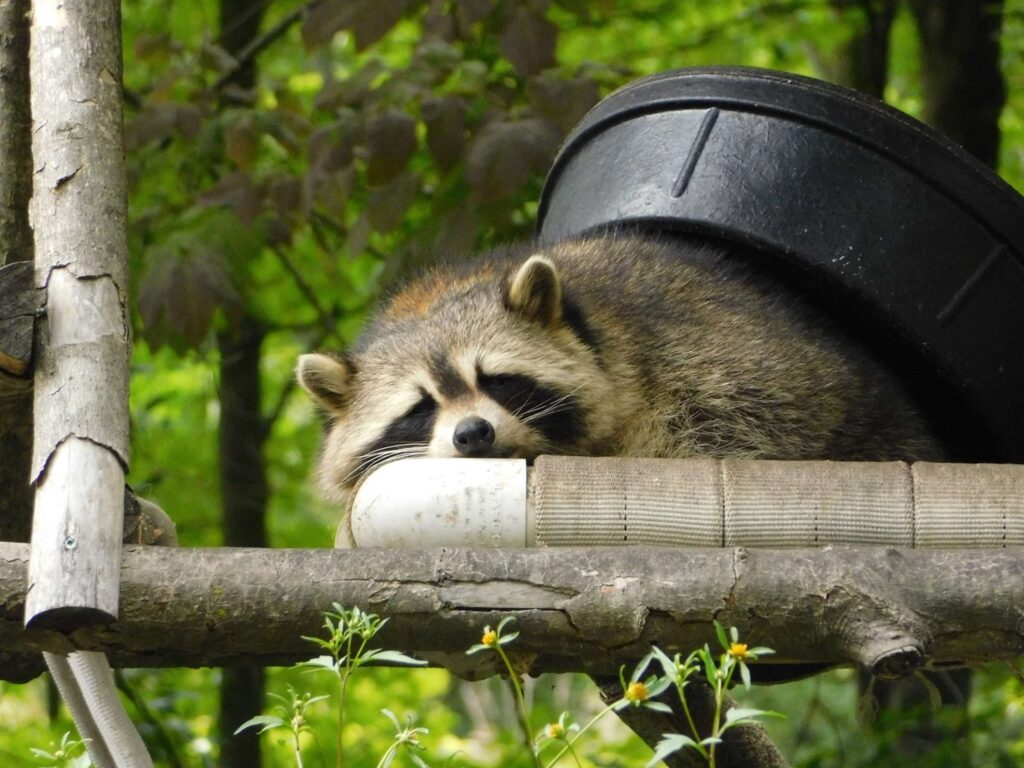
That scratching in your attic at 2 a.m. probably isn’t your imagination—it’s likely a raccoon making itself at home. These masked visitors are among the most common wildlife intruders in Ottawa-Gatineau properties, and their behavior patterns explain exactly why they end up in places they shouldn’t be.
Knowing how raccoons think and act helps property owners recognize problems early and respond effectively. This guide covers raccoon habits, what draws them to residential properties, signs of activity, health risks, and when to call for professional help.
Are raccoons nocturnal
Yes, raccoons are primarily nocturnal—they do most of their moving and foraging after dark. That said, they’re also crepuscular, which means they’re often active at dawn and dusk too.
Here’s something that surprises a lot of homeowners: seeing a raccoon during the day doesn’t automatically mean something is wrong. Nursing mothers frequently forage in daylight because feeding their young takes a lot of energy. Juveniles exploring on their own may also wander out before sunset. So while nighttime activity is typical, daytime sightings aren’t always cause for alarm.
Raccoon characteristics and how to identify them
Physical features of raccoons
Raccoons are stocky, medium-sized mammals that usually weigh between 10 and 30 pounds. The black “mask” across their eyes and the ringed, bushy tail make them easy to recognize.
What really sets raccoons apart, though, is their front paws. Each paw has five dexterous digits—almost like small hands—that let them grasp objects, turn knobs, and manipulate latches. They’re also excellent climbers and can descend trees headfirst, which is how they access rooftops and attic spaces so easily.
Behavioral traits and habits of a raccoon
Raccoons are opportunistic omnivores. In plain terms, they’ll eat just about anything: fruits, nuts, insects, small animals, and—especially in urban areas—garbage.
While raccoons are generally solitary, females sometimes raise their young together, and unrelated males may form small groups to defend territory. You might also notice raccoons “washing” their food in water. This behavior, called dousing, actually enhances their sense of touch rather than cleaning the food.
Raccoon intelligence and problem-solving ability
Raccoons are among the most intelligent wildlife species in North America. Research shows they can remember how to solve tasks for at least three years.
This intelligence is exactly why they’re so good at getting into places they’re not supposed to be. Raccoons can open jars, unlatch gates, lift garbage can lids, and even turn doorknobs. Standard deterrents often fail because raccoons quickly figure out how to work around them.
What attracts raccoons to residential properties
Food sources around your home
Raccoons follow their stomachs, and residential properties often provide easy meals. Common attractants include:
- Unsecured garbage bins:The smell of food waste draws raccoons from a distance
- Pet food left outdoors:Bowls of dog or cat food are an open invitation
- Bird feeders:Both the seed and the birds attract raccoons
- Fallen fruit:Apple, pear, or berry trees with fruit on the ground
- Compost bins:Especially those containing food scraps
- Gardens:Corn, berries, and vegetables are frequent targets
Shelter opportunities in structures
Beyond food, raccoons look for warm, dry, protected spaces to den—particularly females preparing to give birth. Attics, chimneys, and outbuildings closely mimic the tree hollows raccoons naturally prefer.
Once a raccoon finds a good spot, it often stays. The combination of shelter and nearby food makes residential properties ideal from a raccoon’s perspective.
Water access on your property
Raccoons also seek reliable water sources. Ponds, birdbaths, pet water bowls, and leaky outdoor faucets all add to a property’s appeal. Water alone rarely causes an infestation, but it makes an already attractive site even more inviting.
Where raccoons den on your property
Raccoons don’t truly hibernate, but they do “den up” during cold weather and reduce their activity significantly. Knowing where they shelter helps property owners spot potential problem areas.
Attics and roof spaces
Attics are the most common intrusion point in Ottawa-Gatineau homes. They’re warm, undisturbed, and feel a lot like natural tree cavities—which is exactly why raccoons choose attics over other shelters.
Once established, raccoons can cause significant attic damage—tearing insulation, chewing wires, and contaminating the space with urine and feces. Without intervention, they often stay through winter and return year after year.
Chimneys and vents
Uncapped chimneys and damaged vents provide easy access. Female raccoons frequently choose chimneys for birthing because the vertical space offers protection from predators.
Bathroom and kitchen exhaust vents are also vulnerable, especially if the exterior covers are loose or damaged.
Decks, sheds, and crawl spaces
Ground-level structures offer alternative denning options. Raccoons may dig under decks, porches, or sheds to create temporary or seasonal shelter.
Crawl spaces beneath homes are particularly attractive during colder months, providing protection from wind and precipitation.
Seasonal raccoon activity and behavior patterns
Spring nesting and baby season
Spring is peak intrusion season. Female raccoons actively seek secure denning sites to birth and raise their young, typically born in March or April.
During this period, you may notice more daytime activity as nursing mothers forage frequently to produce milk. If you hear sounds in your attic during spring, there’s a good chance a mother has set up a den with kits inside.
Summer foraging behavior
By summer, young raccoons become mobile and start exploring with their mother. You might see family groups moving together at dusk.
Garbage raiding often picks up during this season as mothers teach their young to forage. Juveniles also start venturing out on their own, sometimes ending up in unexpected places.
Fall and winter denning
Raccoons spend fall building fat reserves for winter, eating as much as possible before cold weather arrives.
Once winter sets in, raccoons slow down significantly and may share dens for warmth. If a raccoon has established itself in your attic, it will likely stay there through the winter unless removed.
Why urban raccoons behave differently
Raccoons living in suburban and urban areas like Ottawa-Gatineau—where raccoon density significantly exceeds rural areas—have adapted to human presence in ways their rural counterparts haven’t. Urban raccoons are increasingly comfortable near people and may continue their activities even when observed.
Urban environments also crowd raccoons into smaller territories, which can increase competition for resources and lead to bolder behavior around homes and garbage.
A word of caution: While urban raccoons may seem tame, they’re still wild animals. Feeding them—intentionally or accidentally—can make them aggressive when food isn’t provided. A cornered or habituated raccoon can become dangerous.
Signs of raccoon activity around your home
Noises in your attic or walls at night
Raccoon sounds are distinctive: heavy thumping, scratching, and vocal noises like chittering or growling. You’ll typically hear them after dark, and they’re noticeably louder than squirrel or mouse sounds.
If it sounds like something is walking in your attic rather than scurrying, raccoons are a likely culprit.
Visible damage to vents, eaves, or roofing
Raccoons are strong enough to tear open entry points that other wildlife can’t. Look for:
- Torn or bent soffit panels
- Removed or damaged vent covers
- Displaced shingles or flashing
- Claw marksaround roof edges or near entry points
Droppings and contamination evidence
Raccoons create latrines—designated spots where they defecate repeatedly. You’ll often find them on roofs, in attics, or near den entrances.
Raccoon droppings are dark, tubular, and have a strong odor. If you find a latrine, don’t attempt to clean it yourself—the health risks require professional handling.
Health risks and diseases carried by raccoons
Rabies concerns and warning signs
Raccoons are a primary rabies carrier in North America, accounting for over 1,000 confirmed cases annually. While not all raccoons have the virus, the risk is significant enough that direct contact with any raccoon warrants concern.
Signs of rabies include unprovoked aggression, staggering, disorientation, and a complete lack of fear toward humans. If you observe any of these behaviors, keep your distance and contact wildlife control immediately.
Raccoon roundworm dangers
Baylisascaris procyonis, commonly called raccoon roundworm, is a parasitic worm found in raccoon feces—infecting up to 80% of raccoons in some regions. The eggs can survive in soil for years and cause serious neurological illness if accidentally ingested by humans or pets.
Children are particularly at risk because they’re more likely to put contaminated objects in their mouths. Professional cleanup of raccoon latrines addresses this risk properly.
Contamination from droppings and urine
Beyond specific diseases, raccoon waste in attics creates ongoing health hazards. Urine soaks into insulation, creating persistent odors and potential respiratory irritants. Accumulated feces can harbor mold and bacteria that become airborne.
Professional contamination removal addresses these risks by safely extracting affected materials and treating the space with appropriate disinfectants.
What daytime raccoon behavior means
Normal reasons raccoons are active during the day
A common myth suggests that any raccoon seen during daylight is rabid. In reality, daytime activity is often completely normal.
Nursing mothers, juveniles, and raccoons disturbed from their dens may all appear during the day without any illness. This is especially common in spring and summer when food demands are highest.
Warning signs of a sick or rabid raccoon
The key is distinguishing normal behavior from concerning symptoms. Warning signs include:
- Staggering or walking in circles
- Unprovoked aggression toward people or animals
- No fear of humans despite close approach
- Discharge from eyes or mouth
- Self-mutilation or unusual vocalizations
If you observe any of these behaviors, don’t approach the animal. Contact a wildlife control professional or local animal services.
Protect your Ottawa-Gatineau home from raccoon problems
Raccoons are intelligent, adaptable animals drawn to residential properties for food, water, and shelter. Once established, they often return season after season.
Raccoons are wild animals that can carry serious diseases. Attempting to handle them yourself puts you at risk of bites, scratches, and exposure to pathogens. Professional, humane removal is the safest approach for both you and the animal.
If you’re dealing with raccoons on your property, contact Aspen Wildlife Control for fast, humane removal in the Ottawa-Gatineau region. Our team provides thorough inspections, safe removal, entry-point repairs, and contamination cleanup to fully resolve the problem and prevent future intrusions.