
Wildlife Control Guide To Stop Repeat Intrusions
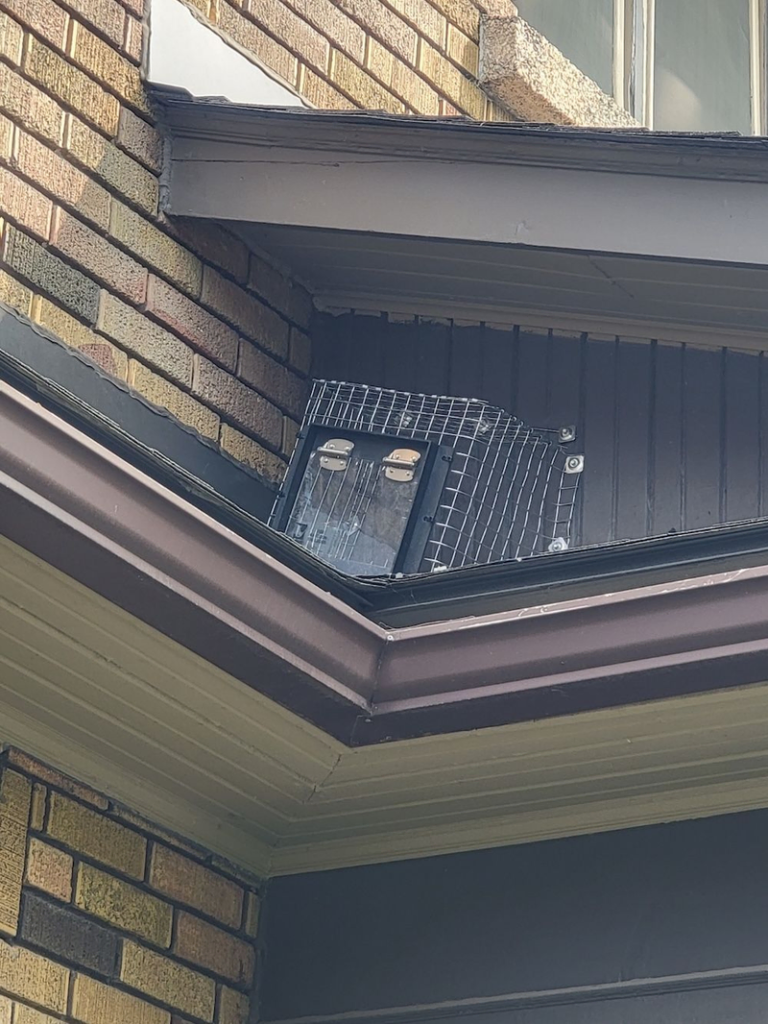
How Wildlife Control Helps Prevent Repeated Animal Intrusions
Hearing scratching in the attic again, or smelling that skunk under the deck for the second time, is more than annoying—it is a sign that simple removal did not solve the problem. For Ottawa–Gatineau homeowners, effective wildlife control is about stopping animals from coming back, not just chasing out the ones you see today. This guide walks through how proper inspection, humane wildlife removal, and long‑term exclusion work together to protect your home for good.
If you are wondering how to stop animals from coming back into your attic, roof, or crawlspace, you are in the right place. We will unpack what real wildlife control involves, why DIY trapping so often fails, and how a prevention‑first approach keeps your family, pets, and local wildlife safe.
1. When Wildlife Keeps Coming Back
Repeated animal intrusions usually mean the underlying problem—entry points and attractants—has never been fixed. In many Ottawa–Gatineau homes, people trap or scare out raccoons, squirrels, bats, or mice, but the same openings and smells keep drawing animals back. True wildlife control focuses on finding how they got in, why they chose your house, and what needs to change so it does not happen again.
Homeowners typically start this journey with clues: scratching in the walls at night, droppings in the attic, a skunk smell by the deck, or shredded insulation. They search for “wildlife control,” “wildlife removal near me,” or “why do raccoons keep coming back to my roof” and quickly realize that short‑term trapping can turn into a revolving door. That is especially true around the National Capital Region, where older housing, big trees, and greenbelts create perfect corridors for urban wildlife.
Without proper animal intrusion prevention—sealing, screening, and repairs—another raccoon or squirrel will often move into the same cozy attic within weeks or months. On top of that, DIY poison or snap traps can injure non‑target animals and pets, and rodent poisons are known to harm predators like owls and hawks that eat poisoned rodents, according to the American Bird Conservancy. Bottom line: if your goal is to keep animals out for good, you need a prevention‑focused, humane wildlife control plan.
2. What Wildlife Control Really Means (Beyond One-Time Removal)
Wildlife control is a complete, start‑to‑finish approach to unwanted animals that includes inspection, humane removal, wildlife exclusion, and repairs. It is very different from basic trapping, which only catches individual animals but leaves your home vulnerable to the next one that comes along. Think of wildlife control as long‑term animal intrusion prevention, not just emergency eviction.
In practice, proper wildlife control usually includes four parts:
- Thorough inspection of the roof, attic, exterior, and ground level to find every entry point and risk area.
- Humane wildlife removal, often using one‑way doors or hands‑on techniques instead of poisons.
- Wildlife exclusion—installing screens, sealing gaps, and reinforcing weak spots so animals cannot get back in.
- Cleaning, decontamination, and repairs so damage and health risks are addressed.
The U.S. Department of Agriculture describes wildlife exclusion as using barriers such as fencing, wire mesh, and screening to physically block animals from structures and crops, with negligible risk to human health and the environment compared with lethal control methods in its exclusion guidance. That same logic applies to houses in Ottawa–Gatineau: once entry points are sealed correctly, you remove the opportunity for future intrusions.
Good wildlife control companies build their process around this prevention mindset. Instead of selling more and more trapping visits, the goal is to get to the root of the problem—how animals are using your rooflines, soffits, chimneys, vents, and decks—and make structural changes so they simply cannot move back in.
3. Why Animals Return: Root Causes of Repeated Intrusions
Animals keep returning because your home still offers easy access, shelter, and food cues. If entry holes are not sealed and the smells of nesting, droppings, or garbage remain, raccoons, squirrels, skunks, bats, and mice will treat your property like prime real estate. Trapping a few individuals does not change those underlying signals.
Here are the main reasons wildlife comes back:
- Unsealed entry points : Gaps along roof edges, loose soffits, uncapped chimneys, torn roof vents, and holes around pipes are common. If only the “main” hole is closed, animals can often chew a new one right beside it.
- Powerful scent trails : Raccoons, mice, and skunks follow the smell of previous occupants’ urine and nesting material. An attic that once held a den smells like a welcome sign to the next animal.
- Food attractants : Accessible garbage, bird feeders, pet food on the deck, and open compost make your yard a regular stop. Once animals are visiting for food, exploring your structure is the next step.
- Seasonal behaviour : In our climate, raccoons and squirrels actively seek warm attics before winter, while skunks look for under‑deck dens. Bats gather in attics and wall voids in maternity season. If your house is easy to enter, word gets around in the animal world.
- Incomplete or risky DIY attempts : Closing holes without checking for babies can trap young animals inside, leading mothers to rip open new sections of the roof. Using poison can drive animals to die in walls or hard‑to‑reach places, creating odours and flies.
Without a full assessment of how and why wildlife is using the building, you end up stuck in a cycle: noise, trap, silence, then noise again. Effective wildlife control breaks that cycle by removing both the animals and the reasons they chose your home in the first place.
4. The Wildlife Control Process That Prevents Re-Entry
Long‑term success comes from a structured wildlife control process that targets inspection, humane removal, exclusion, and restoration in sequence. Each step is designed to lower the chances of another intrusion, until your home is effectively wildlife‑proofed.
A proven three‑step approach often looks like this:
- Detailed inspection – A technician checks the roof, soffits, fascia, attic, vents, chimney, foundation, and under‑deck areas to locate active entry points, potential access routes, and signs of nesting or babies.
- Humane removal – One‑way doors let animals exit but not re‑enter, or live‑capture is used where required by law. During baby season, professionals follow humane wildlife removal practices that keep mothers with their young, often reuniting them outside in a prepared nesting box rather than orphaning them.
- Exclusion and restoration – Once animals are out, technicians seal all entry points with chew‑resistant materials, screen vents and chimneys, reinforce weak spots, and repair damage. They also remove soiled insulation, droppings, and nesting material where needed, then sanitize and deodorize to erase the scent cues.
The Humane Society of the United States notes that ethical wildlife companies focus on exclusion and baby‑safe practices and avoid relying on poisons or unnecessary killing in its guidance on choosing a wildlife company. At the same time, government sources like USDA emphasize that exclusion is both effective and carries minimal health and environmental risks when compared with lethal methods.
To see how this works in real life, imagine an Ottawa homeowner who tried DIY trapping for raccoons in the attic. The raccoon was removed, but the torn roof vent and chewed soffit stayed open. Within a month, another raccoon moved in through the same route. Once a full wildlife control inspection was done, technicians found three separate weak spots along the roofline, installed one‑way doors, and then sealed all gaps with metal flashing and screened the vents. Since then, no more late‑night scratching—because access has been permanently removed.
Bottom line: wildlife control prevents repeat intrusions by combining humane eviction with construction‑grade exclusion and cleanup, instead of just catching whatever animal is there today.
5. DIY vs. Professional Wildlife Control: Where to Draw the Line
Homeowners can do a lot to make their property less appealing to wildlife, but certain situations demand professional wildlife control. The key is knowing where simple maintenance ends and where safety, legal issues, and building science make DIY risky.
Smart DIY prevention steps include:
- Securing garbage and green bins with tight lids and storing them in a shed or garage when possible.
- Feeding pets indoors and cleaning up fallen birdseed to avoid creating a wildlife buffet.
- Trimming branches back from the roof to reduce squirrel and raccoon highways.
- Maintaining caulking around windows, doors, and utility lines, and fixing loose siding.
- Installing basic chimney caps and vent covers rated for wildlife where it is safe to do so.
However, certain jobs are better left to a professional wildlife control service:
- Bats : In many regions, bat species are protected, and “bat exclusion vs bat removal” is a legal and safety issue. Professionals follow timing rules so they do not trap flightless pups inside and use specialized one‑way systems.
- Roof and ladder work : Climbing onto steep, icy, or high roofs in Ottawa–Gatineau winters is dangerous without proper fall protection.
- Baby season : From spring into mid‑summer, raccoons, squirrels, skunks, and bats have young. Removing a mother without locating her babies can lead to distress, odours, and damage as she frantically tries to get back in.
- Heavy contamination : Attics with lots of droppings, urine‑soaked insulation, or dead animals require protective gear, ventilation, and safe disposal methods.
- Persistent or multi‑species problems : If you are dealing with ongoing raccoon control in Ottawa combined with mice in the basement or skunks under the deck, you likely have structural access issues that need a full wildlife exclusion plan.
Here is a quick comparison of common approaches:
| Approach | What It Involves | Main Risks | Chance of Recurrence | Best For |
| DIY quick fixes | Noise, repellents, small traps, closing obvious holes | Trapping babies inside, falls, bites, hidden entry points | High | Minor prevention and housekeeping |
| Basic trapping only | Removing visible animals without sealing the structure | New animals replacing the old, orphaned young, ongoing costs | High–medium | Short‑term emergency relief |
| Full wildlife control with exclusion | Inspection, humane removal, sealing, screening, repairs, cleanup | Upfront cost, needs trained technicians | Low when done properly | Long‑term wildlife‑proofing your home |
For most homeowners who want a permanent, humane way to get rid of raccoons in Ottawa or keep squirrels out of the attic permanently, partnering with a prevention‑focused wildlife control company is the safest investment.
6. Ottawa–Gatineau Realities: Local Wildlife, Seasons, and Building Types
Wildlife control in Ottawa–Gatineau has its own patterns because of our climate, housing, and landscape. Older homes with complex rooflines, brick chimneys, and aging soffits sit right next to ravines, the Ottawa River, and greenbelts—ideal travel routes for raccoons, squirrels, skunks, bats, and other species.
Common local scenarios include:
- Raccoons in attics and chimneys : Attics in neighbourhoods with mature trees are prime den spots, especially in late winter and early spring. Raccoon control in Ottawa often starts with a mother raccoon using a loose vent hole or rotten soffit board as a doorway.
- Squirrels chewing into rooflines : Red and grey squirrels gnaw into fascia boards and roof edges, then stash food and nest in insulation. Once one squirrel has used a route, others can follow.
- Bats in older structures : Heritage homes and houses with stone or brick walls can develop tiny gaps bats use as entry points. Proper bat removal in Ottawa demands timing around maternity season and a carefully planned exclusion strategy.
- Skunks under decks and sheds : In suburban areas, skunks den under stairs, sheds, and low decks, especially where lattice is loose or missing.
- Mice and rats in basements and garages : Small gaps around utility lines, garage doors, and foundation cracks open the door to rodents, which can then spread into walls and attic spaces.
Our harsh winters add another layer. As temperatures drop, animals are highly motivated to find warm, protected spaces. If your roof or foundation has unsealed gaps in November, you may end up needing 24/7 emergency wildlife control in Ottawa–Gatineau by January. On the flip side, bylaw and health considerations mean you cannot just relocate or kill wildlife at will; professional wildlife removal services in the region work within legal frameworks that prioritize humane methods and public safety.
Because of these local realities, a one‑size‑fits‑all solution from generic pest guides rarely works here. You need a wildlife control plan that understands Ottawa–Gatineau seasons, building styles, and wildlife behaviour—and turns your specific home into a hard target for future intrusions.
7. FAQs: Wildlife Control and Preventing Repeat Intrusions
Why do animals keep coming back even after I trap them?
Animals keep returning because trapping does not remove the reasons they chose your home—openings, shelter, and scent cues. If entry points are not sealed and contaminated materials are not cleaned up, new raccoons, squirrels, or mice will keep discovering the same access routes and attractive smells. Long‑term wildlife control closes every active and potential entry, deodorizes nesting sites, and often adjusts outdoor food sources so your property no longer “advertises” itself to passing wildlife.
What is the difference between wildlife control and wildlife removal?
Wildlife removal focuses on getting the current animals out, usually through trapping or eviction, while wildlife control adds inspection, wildlife exclusion, and repairs to prevent future problems. In other words, removal answers “How do we get this raccoon out today?”, whereas control answers “How do we make sure no raccoon can move in again?” Government resources describe exclusion—using materials like wire mesh, screening, and sealants to block access—as a core long‑term solution with minimal health and environmental risks for preventing wildlife damage.
Is humane wildlife control as effective as traditional extermination?
Yes—when it is done properly, humane wildlife control is often more effective than lethal trapping or poisons because it targets the structure, not just individual animals. Lethal methods can remove some animals but leave the house open to the next ones, and rodent poisons in particular are linked to secondary poisoning of predators and scavengers like owls, hawks, and foxes according to conservation organizations. Humane wildlife removal paired with solid exclusion keeps families, pets, and local ecosystems safer while delivering better long‑term results.
How long does proper wildlife control usually take in Ottawa–Gatineau?
Most jobs are completed over several visits spread across a few days to a couple of weeks, depending on the species, season, and level of damage. A typical raccoon or squirrel job might involve an initial inspection, installation of one‑way doors and temporary screening, a follow‑up to confirm all animals have left, and then permanent sealing and repairs. Bat exclusions and heavily contaminated attics can take longer because they often require seasonal timing, careful staging, and more extensive restoration. Good wildlife control companies will walk you through an estimated timeline after they inspect your home.
What can I do to reduce the chances of another intrusion?
You can greatly lower your risk by combining basic maintenance with professional sealing where needed. Practical steps include securing garbage and compost, removing outdoor food sources, trimming tree branches away from the roof, checking that chimney caps and vent covers are intact, and repairing loose soffits or siding before winter. For older houses or homes that have already had wildlife issues, scheduling an Ottawa wildlife control inspection to identify and seal higher‑risk entry points is often the missing piece. Together, these steps turn your property from an easy target into a place animals are likely to pass by.
Conclusion: Turning Short-Term Fixes into Lasting Protection
Stopping wildlife from coming back is not about louder noises or more traps; it is about understanding how animals see your home and then changing that reality. Effective wildlife control starts with a careful inspection, uses humane wildlife removal methods, and finishes with robust wildlife exclusion and cleanup so your attic, roof, and foundation are no longer open invitations.
If you are dealing with recurring raccoon, squirrel, bat, or skunk issues—or you just want long‑term wildlife prevention around your home in Ottawa–Gatineau—your best next step is a professional inspection focused on exclusion. That way, the scratching you hear this season can be the last time wildlife turns your house into theirs.