
Pests in The House: What Happens if You Wait Before Calling an Exterminator in Gatineau?
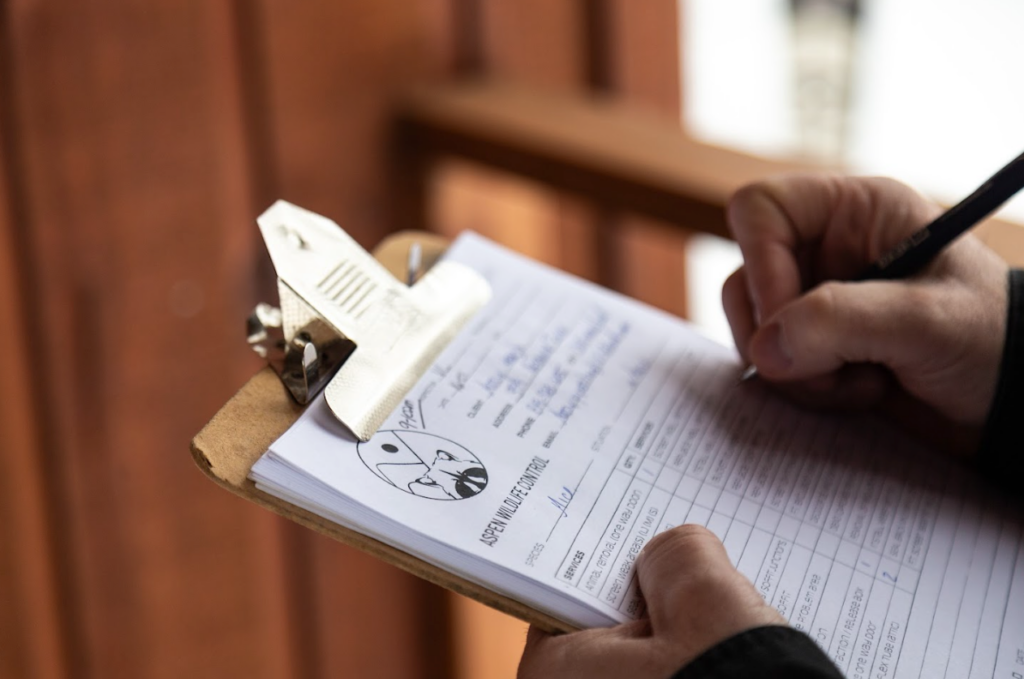
An exterminator in Gatineau should be contacted at the first signs, because waiting leads to concrete and measurable consequences. The problem often begins with a noise or a subtle trace. The cause remains simple: an animal has found access and settles in. The consequence, however, evolves quickly: reproduction, material damage, and contamination of the indoor environment. The solution is to act without delay to prevent the situation from spreading. In Gatineau, companies like Aspen Wildlife Control intervene precisely at this critical moment to limit these impacts.
Rapid reproduction: the infestation becomes uncontrollable
Waiting turns an isolated presence into an infestation. A single animal is enough to trigger a cycle that is difficult to stop. A female raccoon can have several young in the spring. Within a few weeks, the attic becomes an active nesting area. In the same way, mice reproduce quickly and gradually occupy multiple areas of the house.
Rodents can reproduce within a few weeks, which significantly accelerates the spread of an infestation. This explains why a discreet issue quickly becomes visible.
The more time passes, the more animals settle in. They develop habits, reinforce entry points, and occupy the space. A late intervention then becomes more complex and more costly.
Structural damage: deterioration that builds over time
Pests never remain passive. They actively modify their environment to adapt. Squirrels and rats gnaw on materials to enlarge openings. Wood, soffits, and even parts of the roof can be damaged. A small opening then becomes a permanent entry point.
Electrical wiring is also affected. Rodents chew on wires to wear down their teeth, which increases the risk of failure. Over time, this damage spreads. A simple repair turns into more extensive work. Waiting does not stabilize the damage; it amplifies it.
Progressive contamination: a degraded indoor environment
Animals leave behind biological traces that contaminate the space. Urine and droppings accumulate in insulation and on surfaces. These materials release persistent odors and can penetrate building materials. Once absorbed, some surfaces become difficult to clean. Rodent droppings can contain pathogens transmissible to humans. The risk increases when particles are dispersed in the air.
Over time, contamination spreads. It can affect indoor air quality and make certain areas unsanitary. What starts as a simple presence becomes a health issue.
Loss of energy efficiency: a direct impact on costs
Insulation plays a key role in the thermal comfort of a home in Gatineau. When it is damaged, its performance decreases. Animals move or destroy insulation to create nests. Urine and debris also reduce its effectiveness. Contaminated insulation no longer performs its function properly. When insulation is compromised, energy loss increases.
Over time, this results in higher heating costs. What could have been avoided becomes a recurring expense.
Expanded access points: one infestation leads to another
An entry point used by one animal often becomes accessible to others. Openings gradually enlarge. Once the structure is weakened, multiple species can gain access. An attic occupied by squirrels can later attract rats or birds. Wild animals use existing structures to find shelter inside buildings. This means that an unrepaired access point remains a constant opportunity.
Over time, the problem changes in nature. It is no longer about one animal, but an environment favorable to multiple infestations.
Bring in an exterminator in Gatineau before the consequences accumulate
Aspen Wildlife Control, an exterminator in Gatineau, operates with a comprehensive approach that goes beyond removing the visible animal. The intervention always begins with a detailed inspection of the building to identify entry points precisely, often located at the roof, soffits, or ventilation areas.
Once the source is confirmed, the animal is removed in a controlled manner. In the case of raccoons or squirrels, exclusion methods are used to allow exit without return, rather than temporary solutions that simply displace the problem.
The decisive step remains securing the building. Openings are repaired using materials resistant to re-entry attempts. Without this correction, another animal will use the same access within days, which explains why some infestations return quickly after incomplete intervention.
When the infestation is advanced, Aspen Wildlife Control also proceeds with decontamination of affected areas. Contaminated insulation is removed if necessary, surfaces are cleaned, and odors are treated. This step is essential because it eliminates traces that attract other animals.
The determining factor remains the timing of the intervention. A quick response limits repairs, whereas a late intervention often involves additional steps and higher costs.
If you notice signs of animal presence, waiting only increases damage and risks. Contact Aspen Wildlife Control.