
Squirrel Removal in Ottawa: Signs, Methods, and How to Keep Them Out
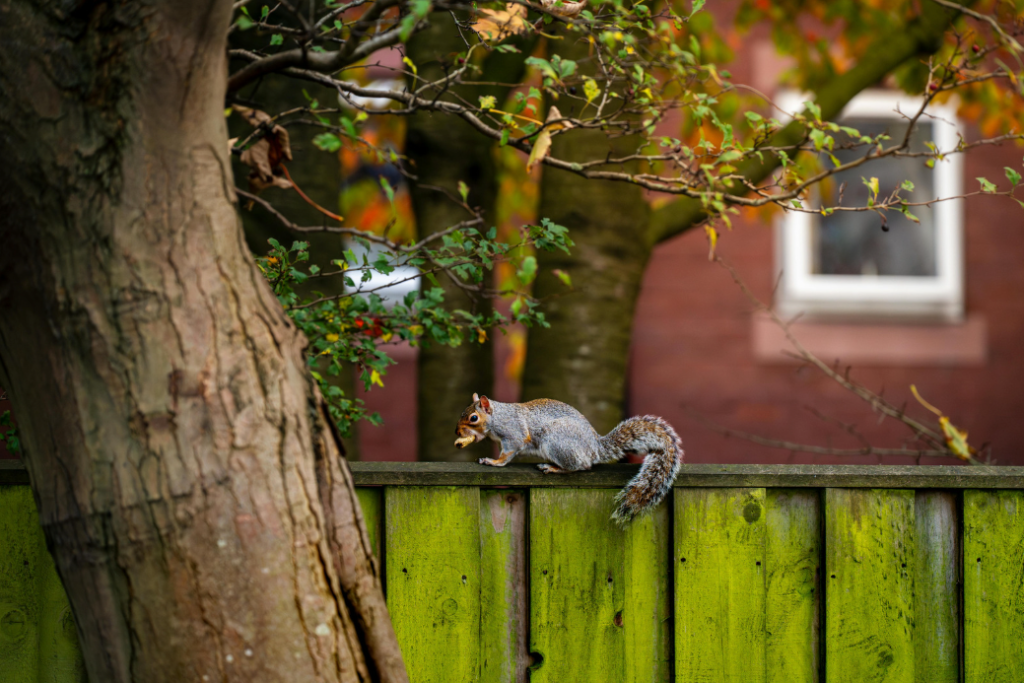
Squirrels are resourceful animals that can slip into Ottawa homes through surprisingly small openings. If they get inside, they can damage wiring, insulation, and wood.
This guide explains the signs to watch for, where squirrels get in, how removal works, what affects cost, and how to prevent re-entry. At Aspen Wildlife Control, we’ve handled squirrel removal across Ottawa and Gatineau for over 25 years using humane, prevention-first solutions.
Signs You Have Squirrels in Your Home
You may have squirrels in your home if you hear consistent scratching or running sounds in the attic or walls and notice new exterior damage near the roofline, vents, or soffits. Seeing droppings or nesting material in the attic is another strong sign.
- Noises: Scratching, scurrying, or thumping in the attic or walls (often morning and early evening).
- Chewing: Gnaw marks on wood, wires, ducting, or stored items.
- Droppings: Small droppings in the attic or near suspected entry points.
- Nesting: Leaves, twigs, shredded insulation, or debris gathered into a nest.
- Exterior damage: Bent vent covers, torn soffits, or widened gaps at roof edges.
- Odours: Strong smells from urine, feces, or a deceased animal.
- Quick check: If you see two or more signs, it’s worth booking an inspection before the damage spreads.
Common Entry Points Squirrels Use
Squirrels only need a gap about the size of a golf ball to get inside. These are the most common spots we see in Ottawa homes.
Roofline Gaps and Soffit Intersections
The roof-to-soffit junction is a frequent access route. Once inside, squirrels travel along attic beams and build nests in sheltered corners.
Ventilation Systems and Exhaust Ducts
Bathroom and dryer vents attract squirrels looking for warmth. Temporary screens often fail because squirrels can chew through light materials.
- Best practice: Use durable vent covers and professional installation to prevent repeat entry—especially through Ottawa’s winter conditions.
Overhangs and Fascia Boards
Soft or rotting fascia boards are easy for squirrels to widen into an opening. Ottawa’s seasonal humidity can speed up wood decay, so small repairs matter.
Chimneys and Uncapped Flues
Cracks around flue tiles and gaps in brickwork can be enough for squirrels to squeeze in. A properly fitted chimney cap adds an important layer of protection.
Damage and Risks From Squirrel Infestations
Squirrels in an attic can create safety issues and expensive repairs. The sooner you address the problem, the less damage they typically cause.
- Fire risk: Chewed electrical wiring can create dangerous shorts.
- Insulation contamination: Urine, feces, and nesting debris can reduce insulation performance and create odours.
- Structural damage: Gnawing and tearing can affect wood, soffits, and roof edges.
- Parasites: Wildlife activity can introduce fleas or ticks into the home.
If insulation is contaminated or heavily damaged, attic restoration and insulation removal may be needed to fully resolve the issue.
Squirrel Removal Methods
Effective squirrel removal is usually a combination of safe removal and long-term exclusion. The goal is to get squirrels out quickly and keep them from coming back.
- One-way exclusion doors: Let squirrels exit naturally, but prevent re-entry.
- Live trapping (when appropriate): Used in specific situations based on access and local rules.
- Full exclusion: Seal entry points with chew-resistant materials once the animals are out.
- Key point: Removal without sealing entry points often leads to repeat infestations.
How Much Does Squirrel Removal Cost?
Squirrel removal costs vary based on how the squirrels are getting in and what needs to be repaired afterward. The most accurate way to price the job is a professional inspection.
| What affects cost | Why it matters |
|---|---|
| Number of entry points | More openings usually means more exclusion work and materials. |
| Location and accessibility | High or complex rooflines can increase labour time. |
| Extent of damage | Chewed wiring, damaged vents, and contaminated insulation add repair steps. |
| Attic cleanup/restoration | May be required to remove contamination and restore insulation performance. |
Choosing the lowest quote can be risky if it doesn’t include proper exclusion and durable repairs.
DIY vs. Professional Squirrel Removal
DIY can work for minor, short-term deterrence, but it often misses the real entry points. Professional removal focuses on solving the problem completely and preventing re-entry.
| DIY approach | Professional approach |
|---|---|
| Repellents and noise devices (often temporary) | Humane removal plan based on squirrel behaviour |
| Basic screening/sealing (often chewable) | Chew-resistant materials and proper sealing |
| Easy to miss secondary entry points | Full inspection to find and address all access routes |
| Risk of trapping animals inside (especially during nesting season) | Methods designed to avoid separating mothers and young |
- When to skip DIY: If you hear daily activity, see exterior damage, or suspect babies in the attic, it’s time for an inspection.
How to Prevent Squirrels From Returning
Prevention is what turns a one-time fix into a long-term solution. Focus on limiting access and removing easy pathways to the roof.
- Trim branches: Keep tree limbs about 6–8 feet from the roofline.
- Upgrade covers: Install durable vent covers and a secure chimney cap.
- Fix wood early: Repair soft or rotting fascia and soffit sections.
- Reduce attractants: Secure garbage and be mindful with bird feeders and fallen fruit.
- Inspect seasonally: Catch small gaps before winter and spring nesting season.
When to Call a Professional for Squirrel Removal
If you suspect squirrels, acting early can prevent costly repairs. Professional help is especially important when there’s ongoing attic activity or visible exterior damage.
- Persistent noises: Scratching or running sounds that continue for days.
- Clear evidence: Droppings, nesting material, or strong odours in the attic.
- Visible damage: Bent vents, torn soffits, or chewed entry points.
- DIY didn’t work: The problem keeps coming back.
Contact Aspen Wildlife Control for a thorough inspection, humane removal, and durable exclusion that helps keep your home protected year-round.