
Best Time for Bat Removal in Gatineau–Ottawa: Seasonal Guide for Safe, Humane Exclusion
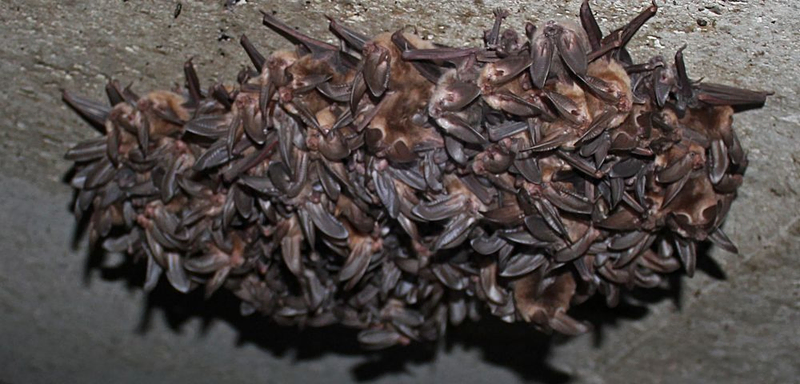
In Gatineau–Ottawa, the best time for bat removal from an attic or walls is early spring and late summer through fall, with strict “no-go” periods in between. The challenge is that bats are protected, highly beneficial, and very sensitive to timing—so pushing them out at the wrong moment can be illegal, inhumane, and ineffective.
If you hear scratching noises at night, notice bat droppings near your roofline, or have ever had a bat find its way into your bedroom, this guide is for you. You’ll learn when it is safe and legal to schedule bat removal, what to do if a colony is discovered during the protected maternity season, and how Aspen Wildlife Control uses humane methods to protect your home while respecting local bat populations.
Throughout, the focus is on humane bat exclusion rather than trapping or killing. Bats in Ontario and Quebec play a crucial role in insect control—some species can eat hundreds of insects in a single hour—but they also carry real health risks if they move into your home. Getting the timing right helps you protect both your household and these threatened animals.
1. Why Timing Matters for Bat Removal in Gatineau–Ottawa
Choosing the best time for bat removal in the Gatineau–Ottawa region is essential. Provincial wildlife regulations, the maternity season, and hibernation all determine when a complete bat exclusion can be performed safely and legally. Attempting removal at the wrong time of year can leave flightless pups trapped inside the attic or force hibernating bats out of their shelter, significantly reducing their chances of survival.
In practical terms, there are three main factors to think about:
- Legal rules – In Ontario, bats are protected under the Fish and Wildlife Conservation Act, which prohibits killing them and restricts disturbing bat maternity colonies during summer. Quebec also protects bats under its provincial wildlife legislation.
- Bat biology – In Gatineau–Ottawa, bats hibernate in winter, raise pups in summer, and move in and out of buildings as temperatures change. Exclusion only works when adults and pups can fly out on their own.
- Weather and building science – Our long, cold winters and humid summers affect when one-way doors can be installed, when sealants cure properly, and when bats actually leave your structure.
The safe windows for humane bat removal in this region are generally early spring (April to mid‑May) and late summer into fall (mid‑August to October).
2. Bat Seasons 101: How Bats Use Gatineau–Ottawa Homes Through the Year
Bats use Gatineau–Ottawa homes differently through the year, which is why the best time for removal depends so much on the season. Attics, wall voids, and rooflines often act like artificial caves—warm, dark, and protected from predators.
Here is how their annual cycle usually looks in the National Capital Region:
- Spring (April–May) – Bats wake up from hibernation. Females return to maternity roosts (often attics) and gather in colonies. Homeowners may hear more scratching or see bats exiting around dusk.
- Summer (June–mid‑August) – Maternity season. Females give birth, and pups remain flightless for several weeks.
- Fall (mid‑August–October) – Young bats can fly, and colonies prepare for migration or hibernation. Activity at entry points is high; this is one of the best times for bat removal and sealing.
- Winter (November–March) – Bats hibernate in caves, mines, or sometimes deep within building structures. Homeowners may hear occasional movement during warm spells but see very little activity.
Common signs change with the seasons too. In spring and fall, you might notice clusters of droppings (guano) near soffits or chimneys, stains on siding, or several bats exiting at once. In summer, nighttime squeaking and chittering in the attic becomes more obvious as pups grow. Understanding this cycle is the first step to choosing the right timing for humane bat exclusion in Gatineau–Ottawa.
3. Unsafe Times: Maternity Season, Winter, and Legal Limits
In Gatineau–Ottawa, the two clearly unsafe times for full bat removal are summer maternity season and deep winter hibernation. During these periods, forcing bats out can be both inhumane and out of step with provincial wildlife rules.
Maternity season (late May–mid‑August)
- In our climate, female bats give birth from roughly late May through June, and pups only start flying reliably by mid‑August.
- If you block entry points or install one‑way doors too early, adults may exit while non‑flying pups are left behind to die in your attic or walls.
- Wildlife agencies across Canada advise against excluding maternity colonies during this period.
Winter hibernation (roughly November–March)
- Many bats from our region hibernate in caves or old mines, but some use deep building cavities.
- Trying to evict them in extreme cold can push groggy, underweight bats outside where they cannot survive.
- Winter activity is often sporadic; exclusion devices may sit for weeks with little bat movement.
Legal protections
- In Ontario, the provincial guidance on wildlife and rabies emphasizes that bats must not be killed and that humane exclusion is the appropriate method.
- In Quebec, bats are also protected, and some species (like the little brown bat) are listed as endangered under federal law due to white‑nose syndrome, which has killed more than 90% of some bat populations in eastern North America.
Because of these biological and legal limits, responsible bat removal in Gatineau–Ottawa focuses on early spring and late summer–fall. Aspen Wildlife Control schedules full exclusions within these windows and uses interim safety steps when bats are discovered at the “wrong” time.
4. Month‑by‑Month Guide
Some months are ideal for full removal, while others are better for inspection, planning, and temporary safety measures only. This month‑by‑month guide helps you understand what is realistic when.
January–March
- Bats are usually in deep hibernation. Full exclusion is rarely recommended.
- Best actions: professional inspection, interior health and safety assessment, and planning for spring bat exclusion once temperatures rise.
- If you hear scratching, it might be occasional bat movement or other wildlife—Aspen Wildlife Control can help you sort this out.
April–mid‑May (early spring window)
- One of the best times for bat removal in Ottawa and Gatineau, as bats are active but pups are not yet born.
- Ideal for installing one‑way doors, confirming all exit points, and sealing secondary gaps once the colony has left.
Late May–mid‑August (maternity blackout period)
- Avoid full exclusion; flightless pups are present.
- Safe actions: detailed inspection, guano assessment, interior cleanup in safe areas, and limited temporary proofing to keep bats away from living spaces without trapping them inside.
Mid‑August–October (prime fall window)
- This is generally the best time for bat removal from attics.
- Pups can fly, colonies are very active, and weather allows for durable repairs and sealing.
- Aspen Wildlife Control often completes full bat exclusion projects and long‑term repairs in this period.
November–December
- As temperatures drop, some bats have already migrated or entered hibernation sites.
- Limited exclusion may still be possible early in this period, but timing must be assessed carefully.
- Ideal time for final sealing of gaps, insulation work, and interior decontamination once it is confirmed the colony has left.
Because weather and bat behaviour can vary, the safest approach is to have a bat removal specialist confirm what is happening in your particular home and tailor the timing accordingly.
5. What to Do If You Discover Bats at the “Wrong” Time
If you discover bats in mid‑summer or deep winter, you usually cannot do full removal right away—but you still have important steps you can take. The key is separating immediate safety actions from long‑term exclusion work.
Scenario 1: You find bats in July (maternity season)
- Do not seal exterior holes or install your own one‑way door—you could trap pups inside.
- Call a humane bat removal company for an inspection.
Aspen Wildlife Control can:
- Confirm species and likely colony size.
- Check for droppings in attic spaces and advise on health precautions.
- Plan the full exclusion for mid‑August or later.
- Install temporary barriers (like interior screens) to keep bats from entering living areas.
Scenario 2: You hear bats in January or February
- A full eviction into sub‑zero temperatures is risky for the bats and not always effective.
- Immediate priorities:
- Keep doors to sleeping areas closed at night.
- Have an inspection to confirm bat activity versus other wildlife.
- Address any serious structural issues that cannot wait, while planning exclusion for early spring.
Scenario 3: You are renovating the roof in a blackout period
- Do not allow a roofing crew to seal every gap without checking for bats; this can trap animals inside your structure.
- Have Aspen Wildlife Control coordinate with contractors to keep key exit points open until it is safe to install one‑way doors.
In all these “wrong time” situations, the right move is usually: protect human health now, avoid sealing bats in, and book proper bat exclusion for the next safe seasonal window.
6. Humane Bat Removal Process with Aspen Wildlife Control
Humane bat removal in Gatineau–Ottawa relies on a method called bat exclusion, which lets bats leave your home through one‑way doors but prevents them from coming back in. Aspen Wildlife Control combines this approach with construction‑grade repairs and careful timing.
What is bat exclusion? Bat exclusion is the process of identifying all active bat entry points, installing one‑way devices over them so bats can exit but not re‑enter, and then sealing every gap permanently once the colony has left.
Here is how Aspen Wildlife Control’s humane bat removal typically works:
- Inspection and assessment – A detailed exterior and attic inspection to confirm bat activity, map entry points along rooflines, soffits, vents, and chimneys, and evaluate guano buildup and damage.
- Timing check – Confirm where you are in the seasonal calendar (spring, maternity, fall, winter) and choose the earliest safe window for bat exclusion based on Ontario and Quebec guidance.
- One‑way door installation – During an appropriate window (early spring or late summer–fall), install professional‑grade one‑way doors at main exit points and temporarily seal lesser gaps so bats are funneled through controlled routes.
- Monitoring and follow‑up – Over days to weeks, bats exit at night and cannot return. Aspen Wildlife Control returns to verify activity has stopped.
- Permanent sealing and cleanup – Remove one‑way devices, seal all entry points with durable materials, and, where needed, remove contaminated insulation and clean guano to reduce histoplasmosis risk. Histoplasmosis is a lung infection linked to bat and bird droppings, as described by the U.S. Centers for Disease Control and Prevention.
This process is designed to respect legal timing limits, protect endangered bat species, and deliver a long‑term fix instead of a quick patch. For most Gatineau–Ottawa homes, the heaviest work happens in April–mid‑May or mid‑August–October, with planning and safety steps in between.
7. DIY vs Professional Bat Exclusion: Timing, Safety, and Results
You can take some basic safety steps yourself, but full bat removal from an attic is usually not a good DIY project. The combination of legal timing, ladder work, tight eaves, and disease risk makes professional help a much safer and more reliable choice.
Here is a quick comparison:
| Factor | DIY bat exclusion | Professional bat exclusion (Aspen Wildlife Control) |
|---|---|---|
| Timing knowledge | Easy to miss maternity or hibernation windows; risk of illegal or inhumane removal. | Uses local bat behaviour data and provincial rules to schedule work in safe windows. |
| Safety | Higher fall risk on roofs, limited protective equipment, exposure to guano dust. | Trained team with PPE, ladders, and safety protocols; handles contaminated materials. |
| Legal compliance | Risk of accidentally killing bats or trapping pups, which can conflict with wildlife laws. | Uses humane bat removal methods aligned with Ontario and Quebec regulations. |
| Finding all entry points | Easy to miss small gaps along roofline or under flashing, leading to repeat problems. | Systematic inspection of entire roofline, vents, soffits, and chimneys. |
| Long‑term results | Partial sealing often means bats move to a new corner of the house. | Construction‑grade sealing and repairs designed for lasting exclusion. |
For context, public health agencies stress that bats are the main source of rabies in wildlife across Canada. In Ontario, roughly 7% of bats submitted for testing each year are positive for rabies. Ottawa Public Health has also reported that most local rabies‑positive animals are bats and that dozens of residents receive post‑exposure treatment after bat encounters each year.
That risk alone is a compelling reason to leave close contact and cleanup to a professional bat removal service. Aspen Wildlife Control’s role is to combine this safety focus with precise timing so you end up with a bat‑free home, no trapped animals, and repairs that stand up to Gatineau–Ottawa weather.
If you suspect bats in your home at any time of year, you do not have to guess the timing alone. Aspen Wildlife Control can assess what is happening in your Ottawa or Gatineau property, explain your options for safe, humane bat removal, and help you book the work in the right seasonal window so you end up with a healthy home and protected wildlife. Don’t hesitate to contact the Aspen Wildlife Control team.
FAQ’s
When is the best month to remove bats from an attic in Gatineau–Ottawa?
The best months for bat removal from an attic in Gatineau–Ottawa are usually April to mid‑May and mid‑August through October. In early spring, bats are active but pups are not yet born; in late summer and fall, young bats can fly and leave safely. Exact timing can vary with weather, so a humane bat removal company should confirm what is happening in your specific home.
Can I remove bats from my home in July?
In most cases, you should not do full bat removal in July because it is the heart of maternity season and pups cannot fly. Sealing holes or installing one‑way doors then can trap baby bats inside walls and attics. The safer approach is to have an inspection, put interim safety measures in place, and then schedule full bat exclusion for mid‑August or later when the colony can leave on its own.
Is it legal to do bat removal myself in Ottawa or Gatineau?
You are generally allowed to protect your property, but you are not allowed to kill bats or disturb maternity colonies, and you must follow provincial wildlife laws. In Ontario, bats are protected under the Fish and Wildlife Conservation Act, and in both provinces some species are federally listed as endangered due to white‑nose syndrome. Because it is easy to break these rules accidentally—especially around maternity and hibernation seasons—most homeowners in Ottawa and Gatineau choose professional, humane bat exclusion.
What should I do if I find a bat in my bedroom in the middle of the night?
If you find a bat in your bedroom, first protect people and pets, then arrange for safe removal and rabies assessment if needed. Public health agencies advise that you should contact your local public health unit if someone has been asleep in a room with a bat or had unprotected contact, because bat bites can be very small.
When it is safe to do so, you can:
- Close the bedroom door and open a window so the bat can fly out.
- Avoid swinging at the bat or handling it bare‑handed.
- If there is any chance of a bite or contact while you were sleeping, try to contain the bat in the room and call public health or animal control for guidance on testing and post‑exposure treatment.
- Follow up with a humane bat removal company to inspect your home for a larger colony.
Can bats be removed from a house in winter?
Full bat exclusion in winter is usually not recommended in Gatineau–Ottawa because many bats are in hibernation and may not exit reliably through one‑way doors. Forcing them outside in very cold weather can be inhumane and may not solve the problem. Instead, winter is the right time for interior safety measures, inspection, and planning, with full removal scheduled for early spring when bats wake up and start moving again.